
Norva Plastics is an international, full-service plastics fabricator and supplier of industrial plastics. Norva Plastics is proud to support our schools, associations and foundations throughout Hampton Roads. • Norview High School’s FIRST Robotics teams • Annual POLAR PLUNGE • Virginia Associations of Museums • Virginia Aquarium • Hope House Foundation

Full-service plastics fabricator and supplier of plastic materials










[ ] Welcome to Norva Plastics
Norva Plastics has been a full-service plastics fabricator and supplier of plastic materials. With over half a century in the business, we can tackle just about any job with confidence that comes from experience. From a tough prototype to long-run production, whatever your requirement, contact the experienced plastics fabricators first at Norva Plastics.
Norva Plastics provides many services relating to plastics and similar materials. We have 3 high precision CNC machines in house to handle high production jobs or for quick prototype jobs. We also do custom fabrication and also offer vacuum forming services. So contact us now! We look forward to serving you.
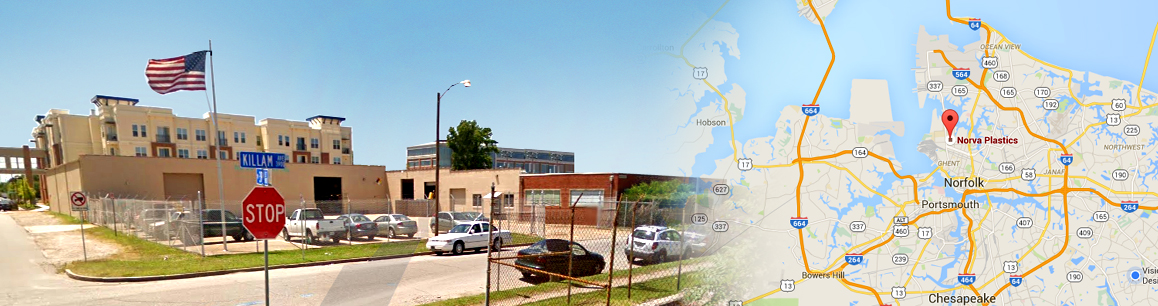
Norva Plastics • 3911 Killam Ave., Norfolk, Virginia 23508
Open 8:00AM to 4:30PM Monday through Friday
Toll Free: 1(800) 826-0758 • Ph: (757) 622-9281 • Fax: (757) 623-2859 • Email: info@norvaplastics.com
